athmyr - Mia Bickerton
  • Illustration
  • About
  • ILLU6050
  • Illustration
  • About
  • ILLU6050

History & Practice Session I: The Historical Object

6/10/2020

0 Comments

 
The Functions of Clothes:
  • Disguise: visual disguise, modesty, mitigating factors – comfort v impact
    Examples: formal dress/shirt ties, high heels (redistribution of weight)
  • Social Status: controlling devices, role in society, status
    Examples: institutions – military, school, prison uniforms
  • Symbolic Encoding: colour and pattern, mode of communication, creating unity and coherence (textual cohesion), symbolic meaning – culturally significant
  • Personal Expression: identity, expressive qualities, relation, engagement, dressing as pleasure
  • Expressing Allegiance: reflects bias, allegiances, viewpoints, political leanings, clothing as empowerment, signals separation from mainstream
    ​Example: youth subcultures
  • Cultural Markers: culture in flux, consumer culture, global culture, context in important

Picture
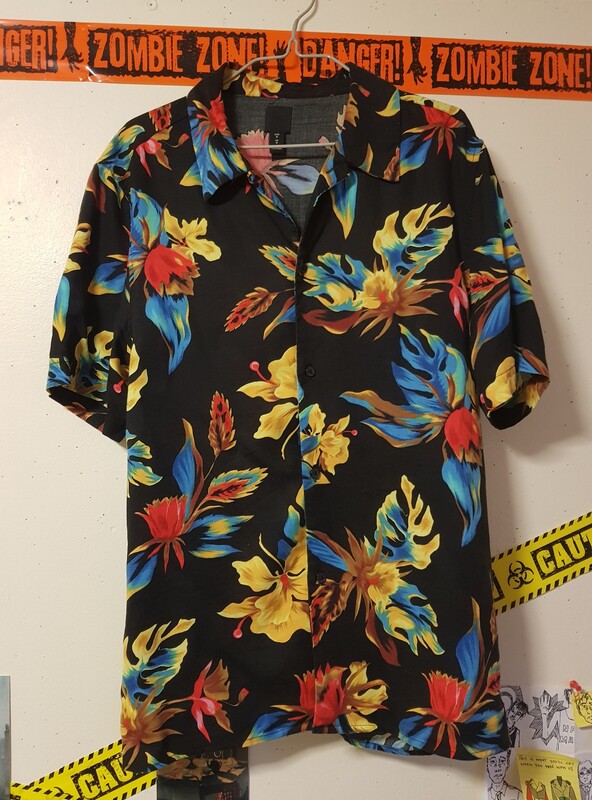
I have chosen to analyse my Hawaiian-style men’s holiday shirt. The shirt is made of 100% lyocell which is a light, breathable material. This is good for this specific shirt as it is designed to be worn in hot weather, and the short sleeves also further improve this function. The material is soft which makes it comfortable to wear in casual use. When it comes to the colour of the garment, due to the bright colours of the flowers being vivid they heavily contrast with the black that is the main colour of the shirt. The black would suggest a more formal and inconspicuous outfit for the summer as most summer clothes are lightly coloured due to their nature of reflecting light and heat. This means that this shirt will absorb heat which could be impractical when trying to keep cool, focusing more on form than function and showing how the influence has transcended its original purpose.
Hawaiian shirts, also known as Aloha shirts, can be traced back to the 1920's and were originally made from colourful Japanese prints. Starting from a Honolulu-based dry goods store, they then went on to become mass-produced throughout Hawaii.

The vibrant primary colours of the flowers create a bold, more eye-catching look which reduces the formality of it and causes the design to be more playful and casual. The shirt is manufactured by H&M and made in China so it is likely to be cheaply produced in order to mass produce clothing and profit from a consumerist culture. This usually means that the items are of a lower quality and not designed to last which is incredibly bad for the environment as society begins to value quantity over quality, creating an excessive waste.

0 Comments


Leave a Reply.

    Mia Bickerton

    Illustrator

    Archives

    December 2020
    November 2020
    October 2020

    Categories

    All
    History & Practice

    RSS Feed

Site powered by Weebly. Managed by 34SP.com