|
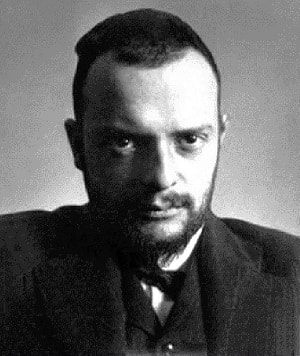
Paul Klee
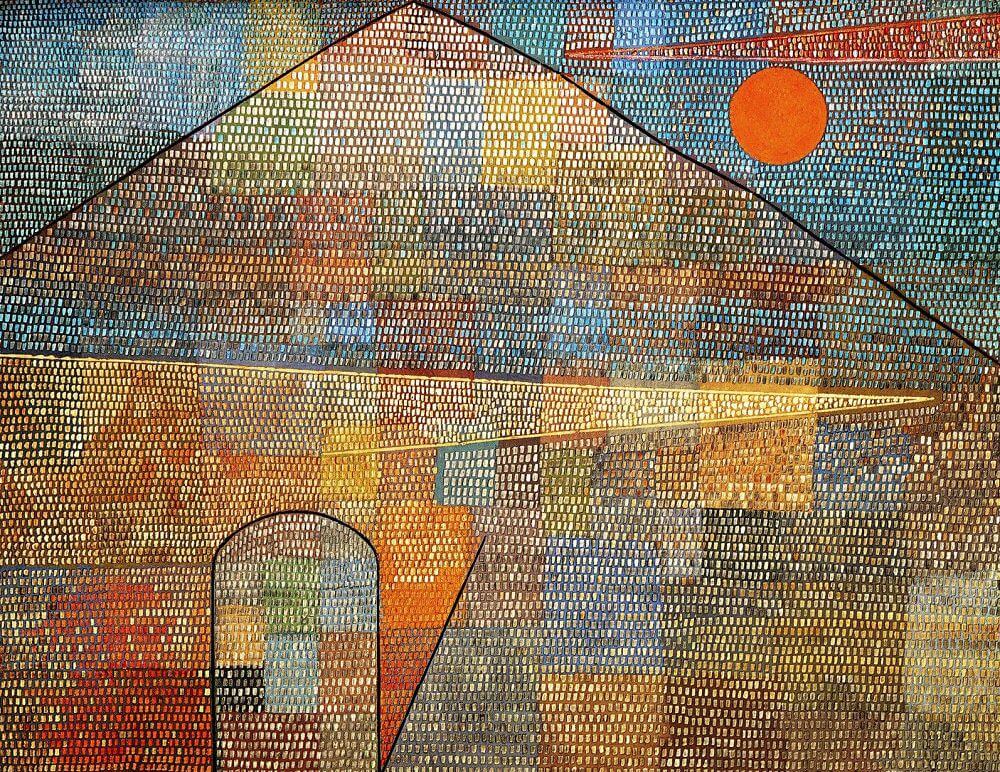
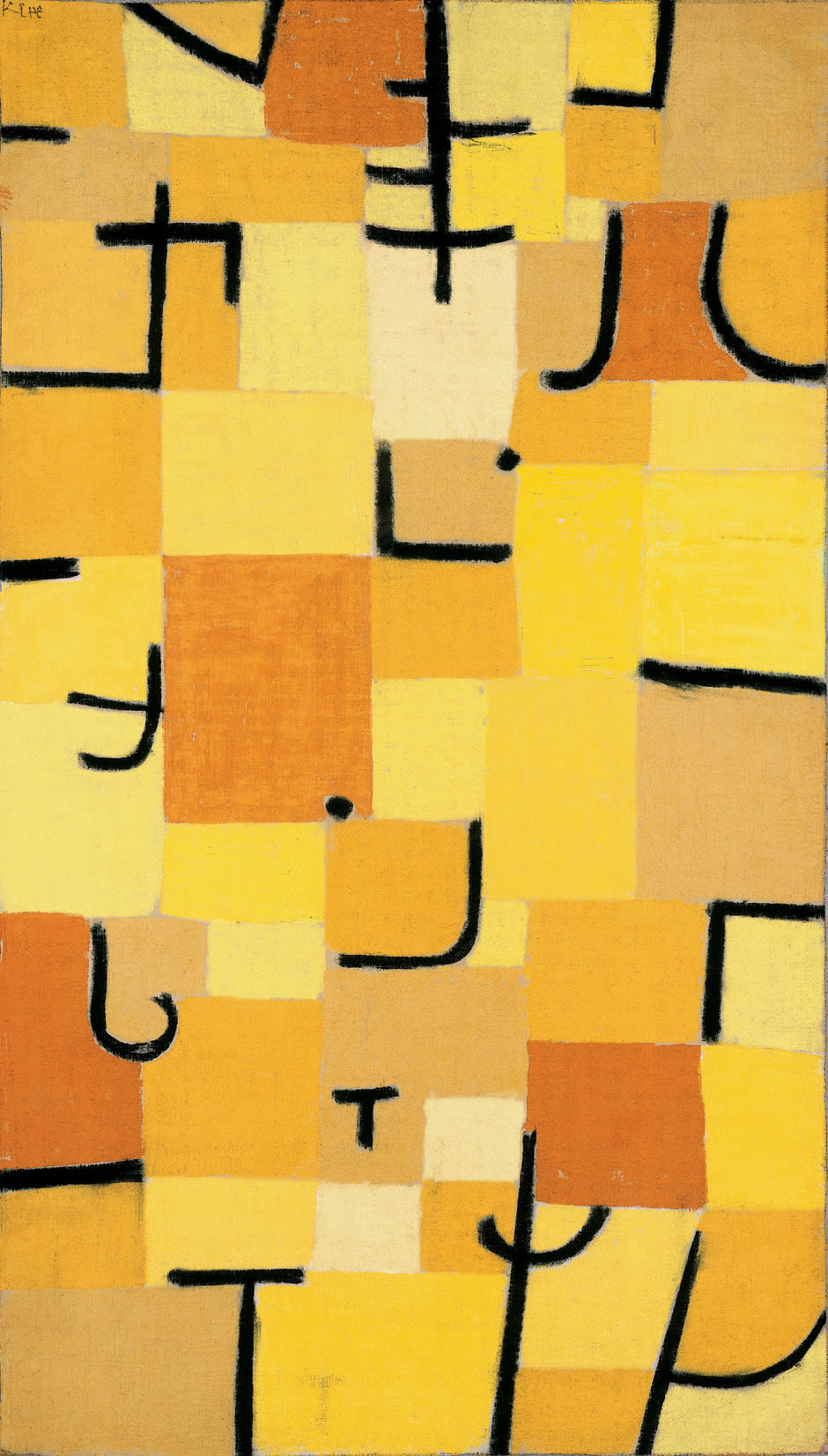
Influenced by art movements including expressionism, cubism, and surrealism, Klee experimented with and deeply explored colour theory. Lacking any natural colour sense, this was something he sought to work on throughout his life. He wrote about it extensively, having his lectures Writings on Form and Design Theory published as the Paul Klee Notebooks in English, with these writings being held with great importance for modern art. Klee taught at the Bauhaus school of art, design and architecture in Germany from 1921 to 1931 alongside his colleague Wassily Kandinsky, a Russian painter, who was an old acquaintance of Klee's. He was a master in the bookbinding, mural painting, and stained glass workshops.
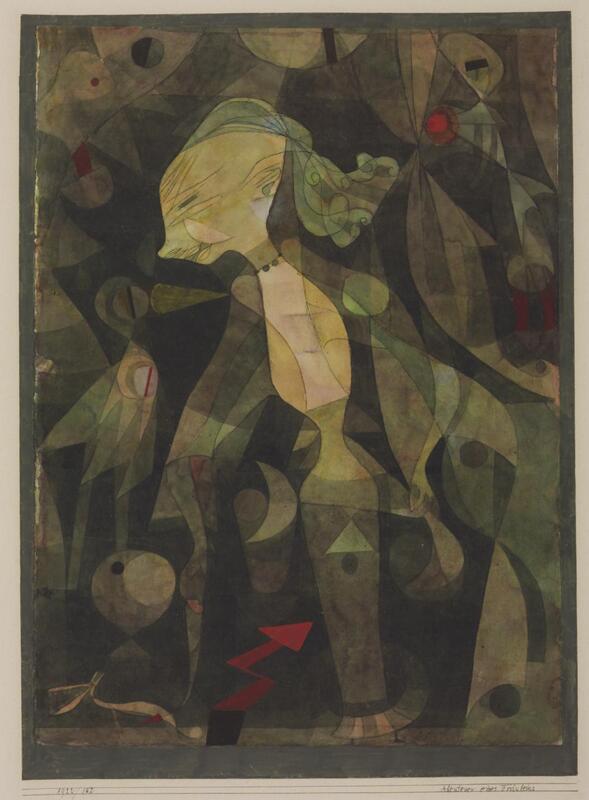
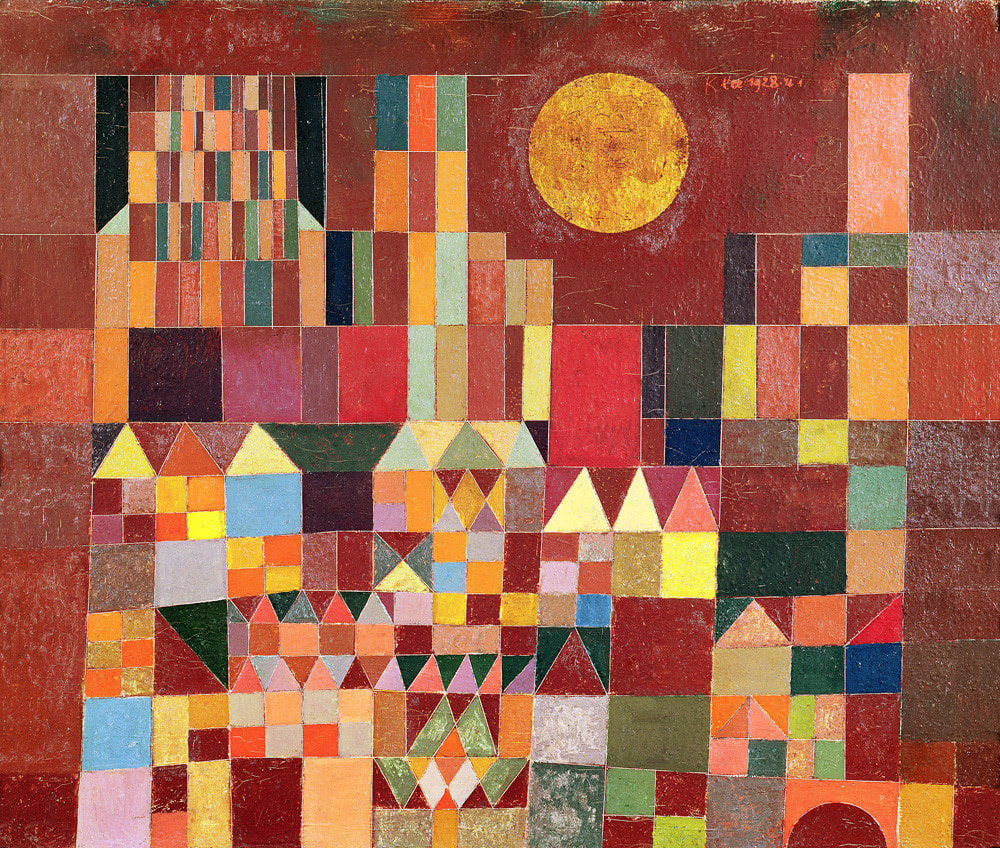
Klee generally worked in isolation from his peers which allowed him to interpret trends in his own way. Many of his works have a child-like quality, with him often using geometric forms combined with figures of people and animals, while other works were completely abstract. His works reflect his dry humour and mood, which are not only seen in the artwork itself but also their titles. With his death on the 29th of June 1940, his legacy comprises of around 9,000 works of art. Suffering toward the end of his life due to an autoimmune disease, his last works of art reflect this pain and give an insight to his emotions and feelings at the time.
0 Comments
Leave a Reply. |
Mia BickertonIllustrator Archives
December 2020
Categories |







 RSS Feed