Official culture is made up of widely popular media that reflects mainstream norms and view of the populous of the area. Examples of this would be popular television shows such as Only Fools and Horses and EastEnders with the latter attracting 17.35 million viewers to the launch show and 30.15 million viewers on its Christmas Day episode in 1986. The show was something that many people across England could relate to at the time and helped express their issues in a widely understandable way. In contrast to this, unofficial culture was inspired by the rebellion against the Thatcherite zeitgeist, mainly consisting of smaller groups often located in northern areas of England. This allowed them to revolt against the majority and make themselves heard. In 1981 the Toxteth riots in Liverpool begun due to the accelerating economic decline and overthrow of Labour, with Margaret Thatcher taking over and disregarding the Tory-free zones. An example of unofficial culture in television would be The Young Ones, a British sitcom focused on the lives of four students and their landlord's family, often including surrealist comedy and anarchic humour. The show helped to bring alternative comedy to the BBC in the 1980's, with its rating peaking at 6.5 million viewers.
0 Comments
Martin Sharp
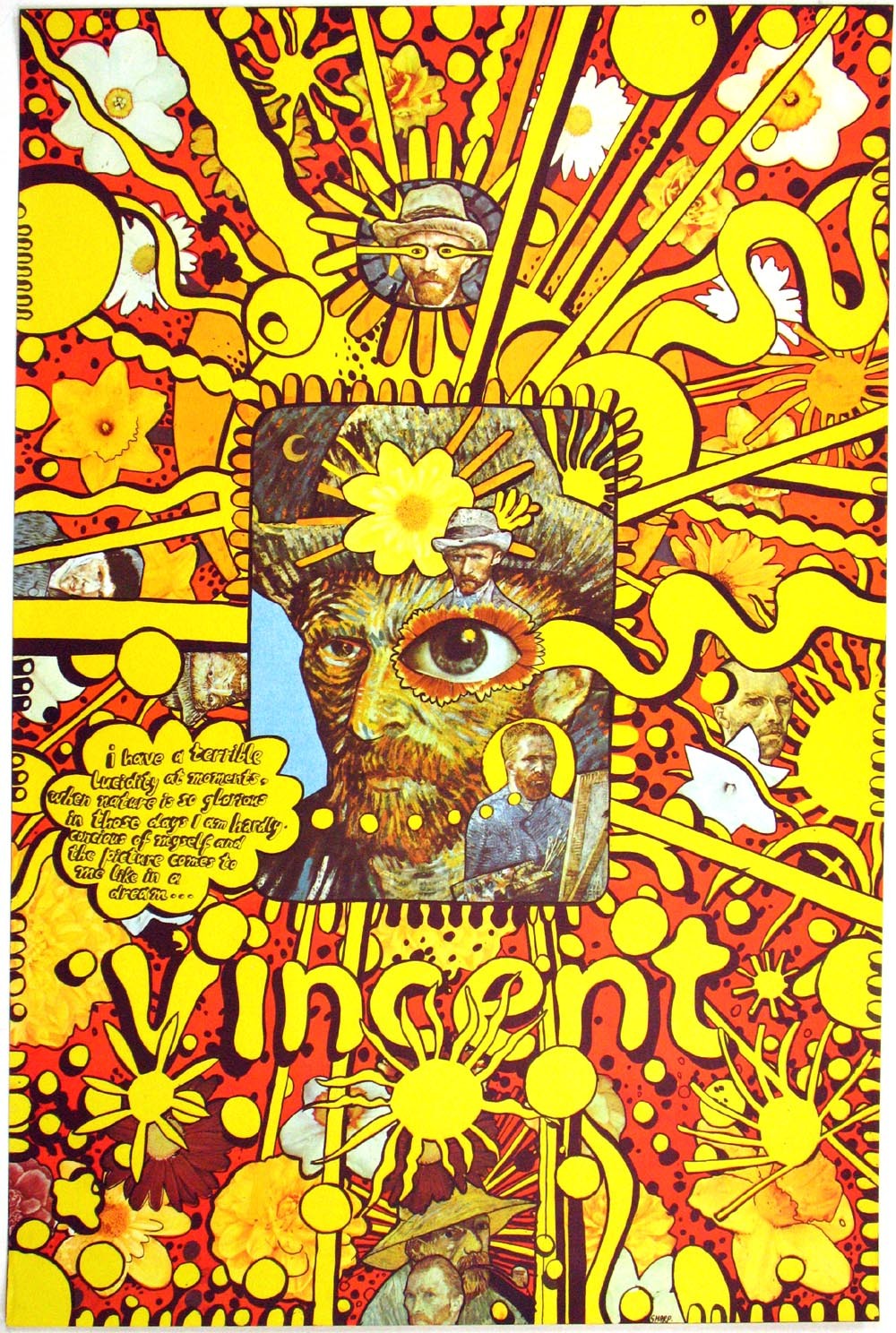
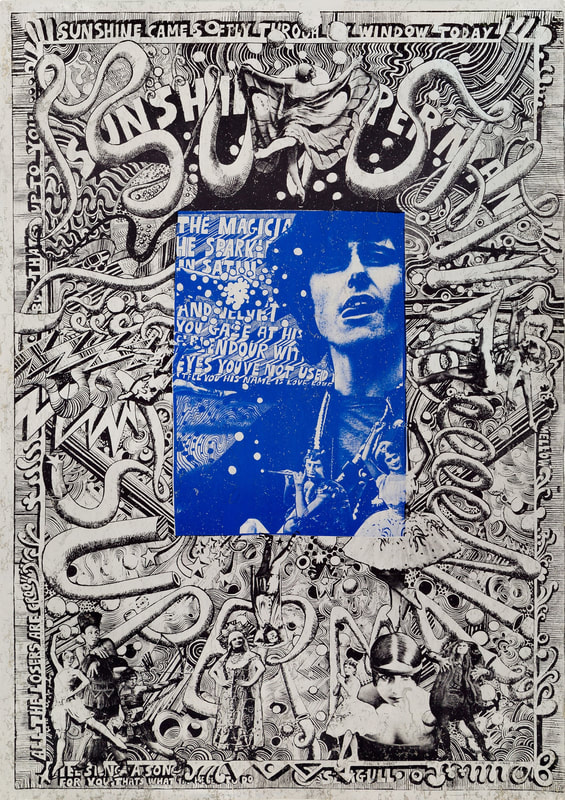
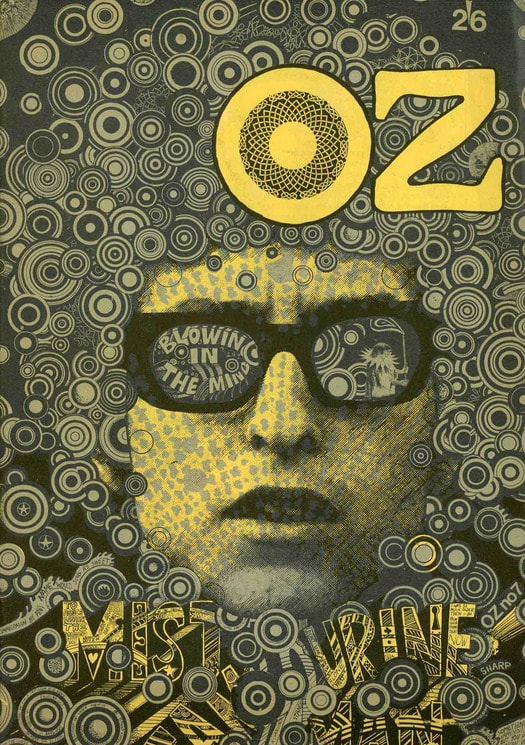
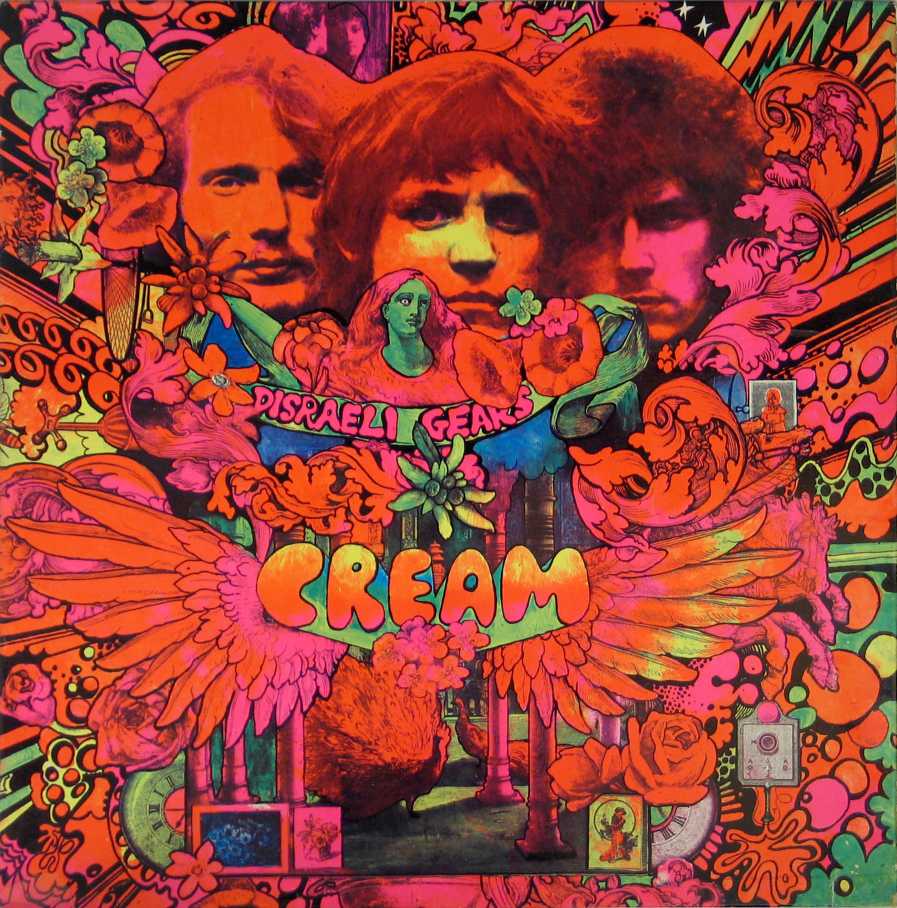
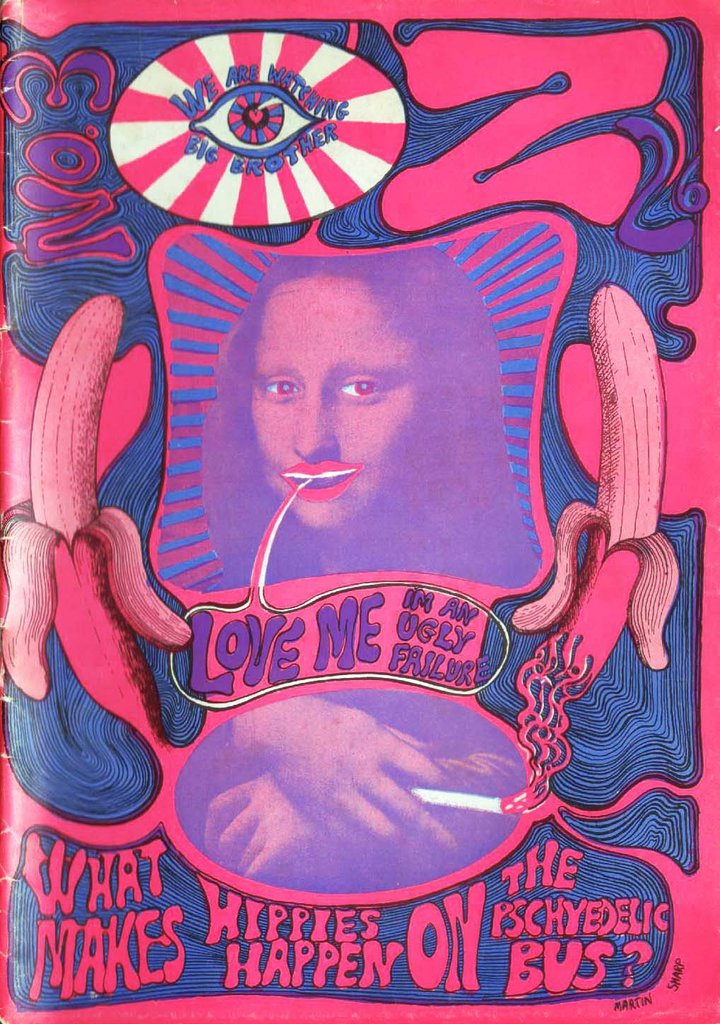
Martin Sharp was an Australian artist and filmmaker born on the 21st of January 1942 in Sydney, Australia. He is most famously known for his distinctive 1960's music posters, many of which featuring popular musicians such as Donovan and Bob Dylan. Sharp used a mixture of photographs, cartoon figures, and embedded letters, all brought together with his psychedelic patterns in the illustrations he produced. Upon moving to London in 1966, Sharp became an artistic director for the popular satirical magazine Oz, where he gained national attention for his work.
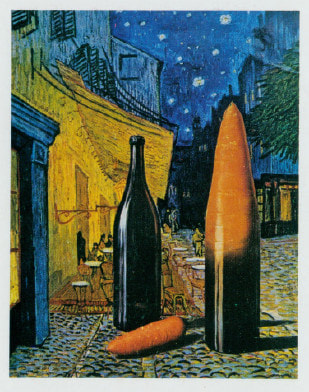
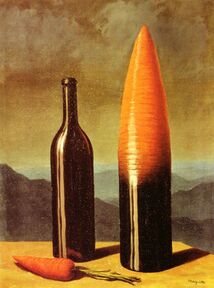
Sharp was inspired by his favourite artists, Van Gogh, Magritte, Matisse and Hokusai, including a strong influence from the music he greatly appreciated throughout the 60s. He was drawn to a particular artist known as Tiny Tim, a performer that played the ukulele and sang in a falsetto voice. He was fascinated by the language of art, of which he could mix and connect things, such as his combination of a Magritte still life within a Van Gogh landscape which was featured in his simply titled Art Book published in 1972.
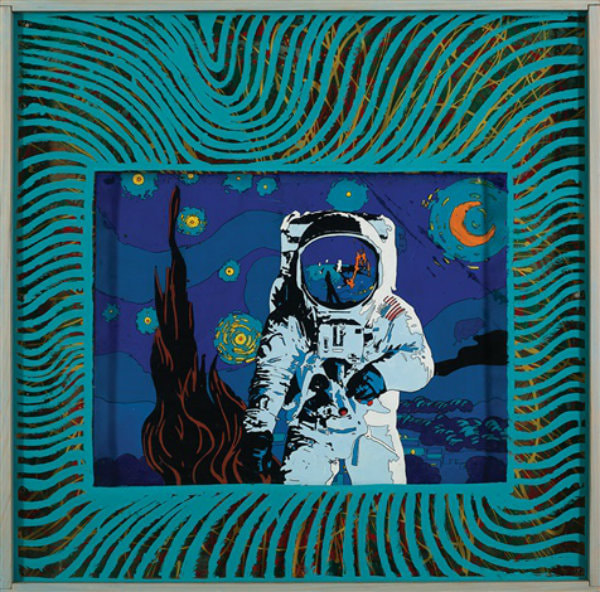
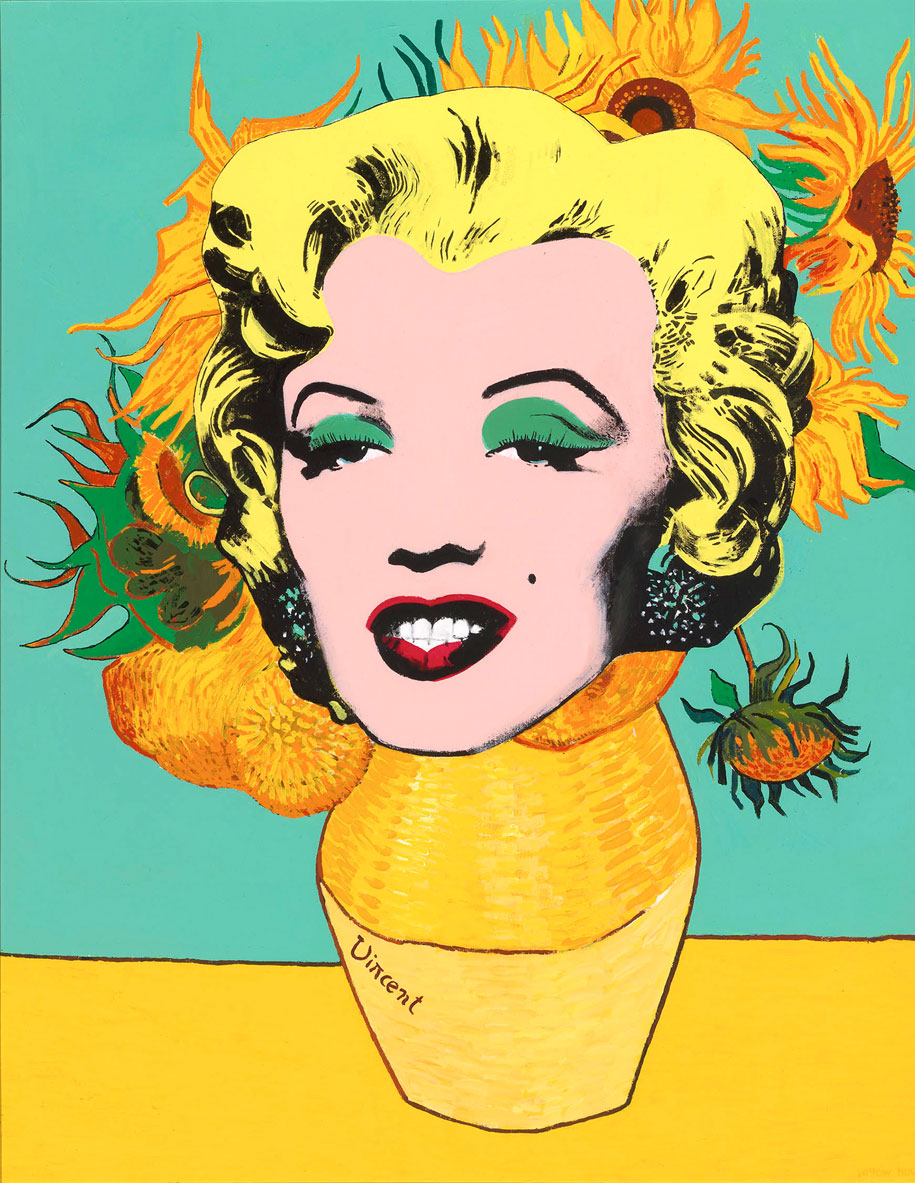
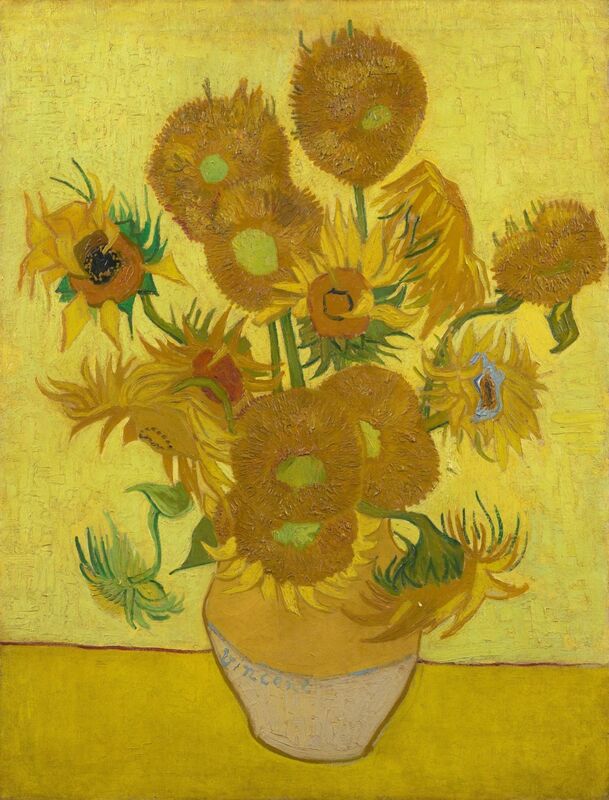
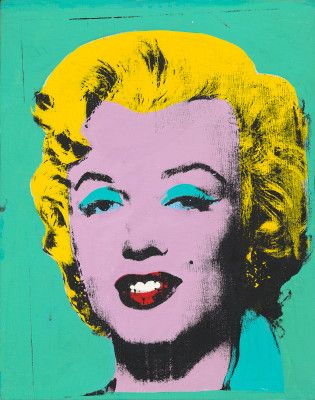
Many of Sharp's illustrations incorporate images from many classic paintings, from Mona Lisa by Leonardo da Vinci to The Starry Night by Vincent van Gogh. While studying art at school, Sharp was awarded a book about Vincent Van Gogh as an art prize which provoked a lifelong fascination with the painter. He went on to rework many of Van Gogh's paintings into his own work, developing them into his own distinctive works. The illustration shown below on the left, Still Life: Marilyn, is directly inspired by both Vincent van Gogh and Andy Warhol. Sharp collaged two of their most famous works, Sunflowers and Green Marilyn, to create a unique surrealist piece before later going on to paint it. Sharp stated that the collage was only possible due to Marilyn's green eye-shadow matching the green of the background of the sunflowers, signifying that the influence of both artists still lived and influencing the title of the piece.
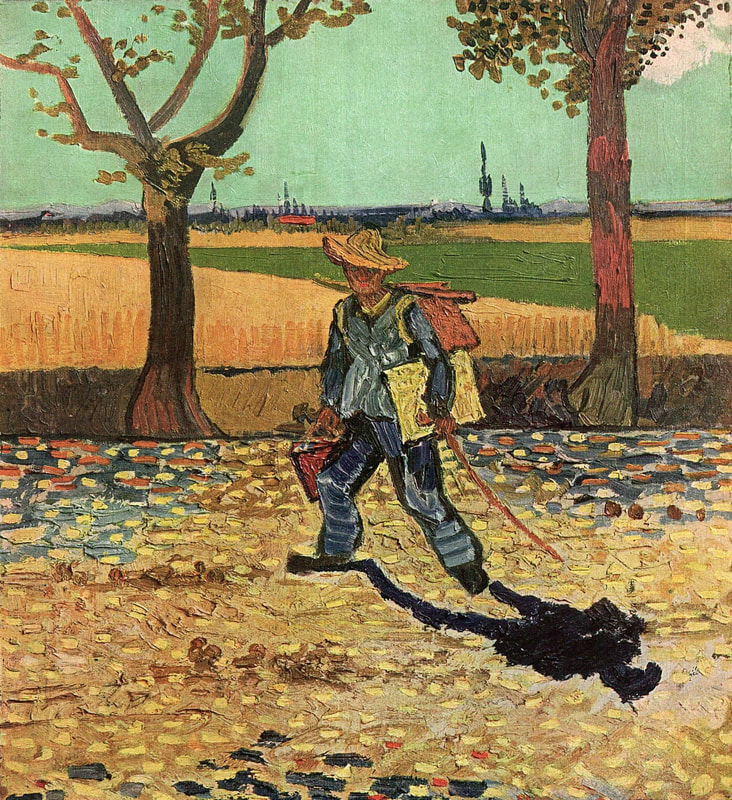
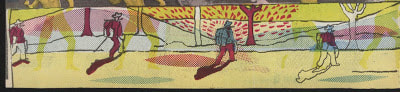
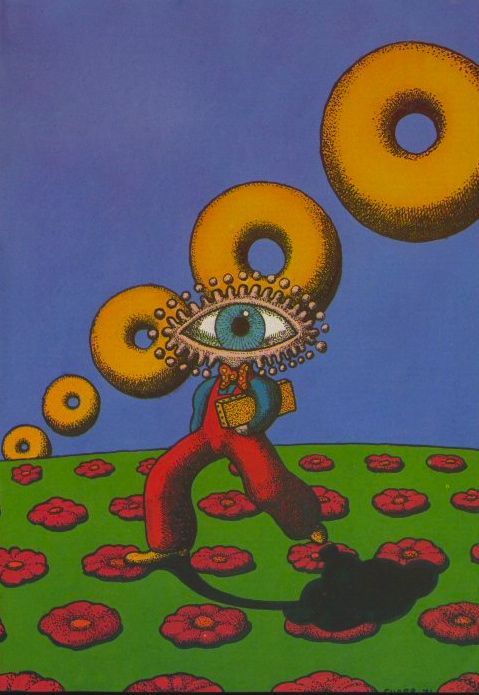
Through this clear dedication to Vincent van Gogh’s work, the influence he had over Martin Sharp’s work is evident. This is further emphasised in Sharp’s rendition of The Road to Tarascon, a painting originally created by Van Gogh in 1888, using his own unique cartoonist style for Oz magazine and going as far as to name it the same. While the basic composition of the two artworks below are the same from the figures pose to the shadow, they convey a very different atmosphere with their individual colour palettes and style in which they were produced.
|
Mia BickertonIllustrator Archives
December 2020
Categories |



 RSS Feed